New york state Mice
The House Mouse (Mus musculus)
This is the species most New Yorkers are familiar with, particularly in urban and suburban areas. They are not native to North America; they originated in Asia and traveled to the New World with European settlers.
Appearance: Small and slender, typically 3–4 inches long (excluding the tail). They have dusty gray or brown fur, relatively large ears, and a tail that is scaly and nearly hairless.
Habitat & Behavior: Highly adaptive and commensal, meaning they live closely with humans. They thrive in homes, apartment buildings, restaurants, and warehouses. They are excellent climbers and can squeeze through incredibly small gaps (the size of a dime).
Key Facts:
Reproductive Powerhouse: A single female can have 5–10 litters per year, with 5–6 young per litter. They reach sexual maturity in just six weeks.
Diet: They are omnivores but prefer grains and cereals.
Disease Vectors: They are known carriers of various diseases and can contaminate food supplies with their droppings and urine.

The White-Footed Mouse (Peromyscus leucopus)
This is one of the most abundant native rodents in New York State and is primarily found in wooded and brushy areas.
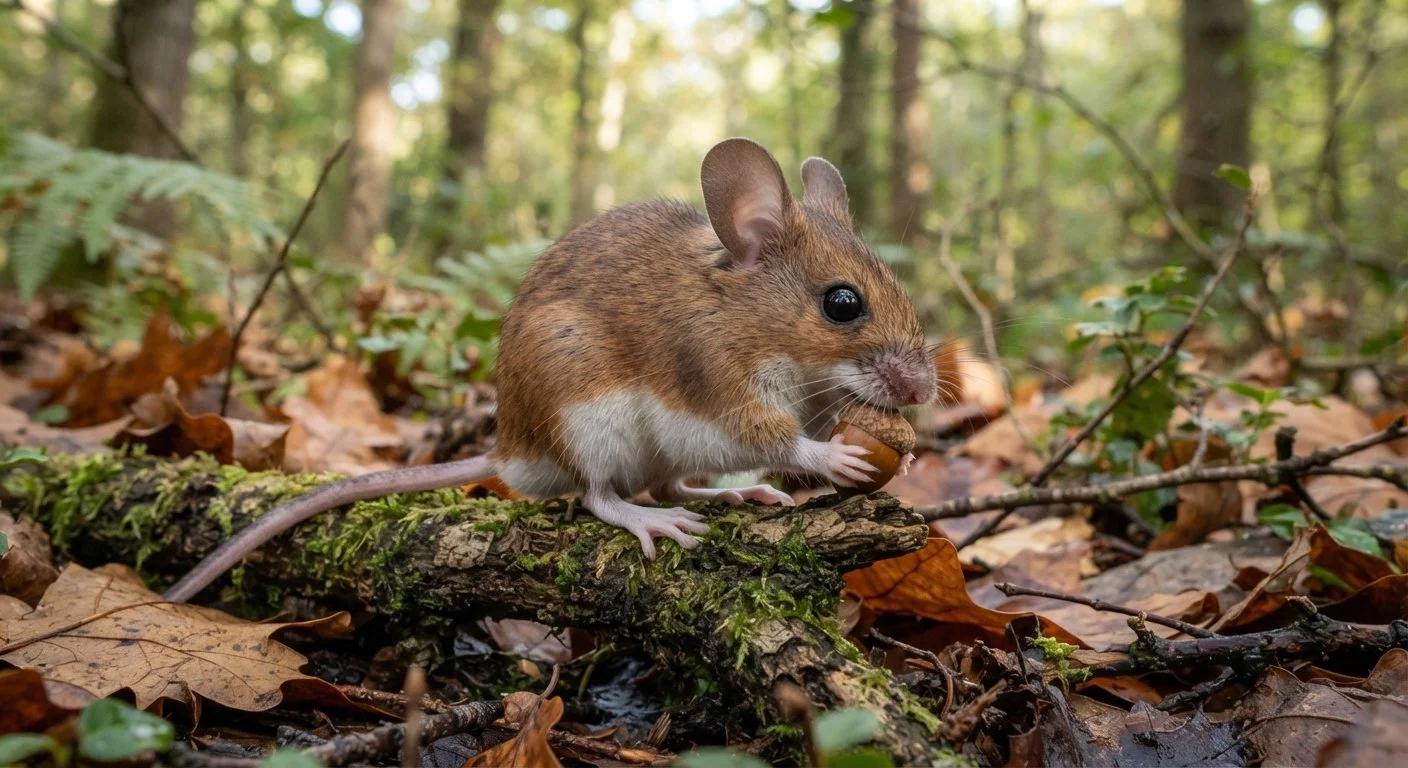
Appearance: Distinguished by their white or pale-gray underside, feet, and lower legs, contrasting sharply with their reddish-brown upper body. They have large, dark eyes and prominent ears.
Habitat & Behavior: They prefer deciduous and mixed forests but will move into structures (like sheds or cabins) during the winter. They are nocturnal and agile climbers.
Key Facts:
Ecological Role: They are a critical food source for many predators, including owls, foxes, snakes, and hawks.
Lyme Disease Vector: This species is the primary reservoir for the bacterium that causes Lyme disease (Borrelia burgdorferi). Larval ticks feed on the mice, becoming infected, and then transmit the bacteria to humans.
Seed Dispersal: They play a vital role in forest health by caching (storing) seeds and nuts.

The Deer Mouse (Peromyscus maniculatus)
Very similar in appearance and behavior to the White-Footed Mouse, the Deer Mouse is more common in open fields, prairies, and agricultural lands, though their ranges overlap.
Appearance: Very similar to the White-Footed Mouse, with white undersides and feet, but often has a more distinctly bicolored tail (darker on top, white underneath) and slightly shorter ears.
Habitat & Behavior: Prefers open habitats but is widespread. They are excellent jumpers, hence the name "Deer Mouse."
Key Facts:
Hantavirus Carrier: While relatively rare in New York, Deer Mice are the primary carriers of Sin Nombre virus, which can cause Hantavirus Pulmonary Syndrome (HPS) in humans. Humans can become infected by inhaling dust contaminated with rodent droppings or urine.
Survival: They are well-adapted to cold climates and often enter homes or structures in the fall seeking warmth and food.