Rat facts
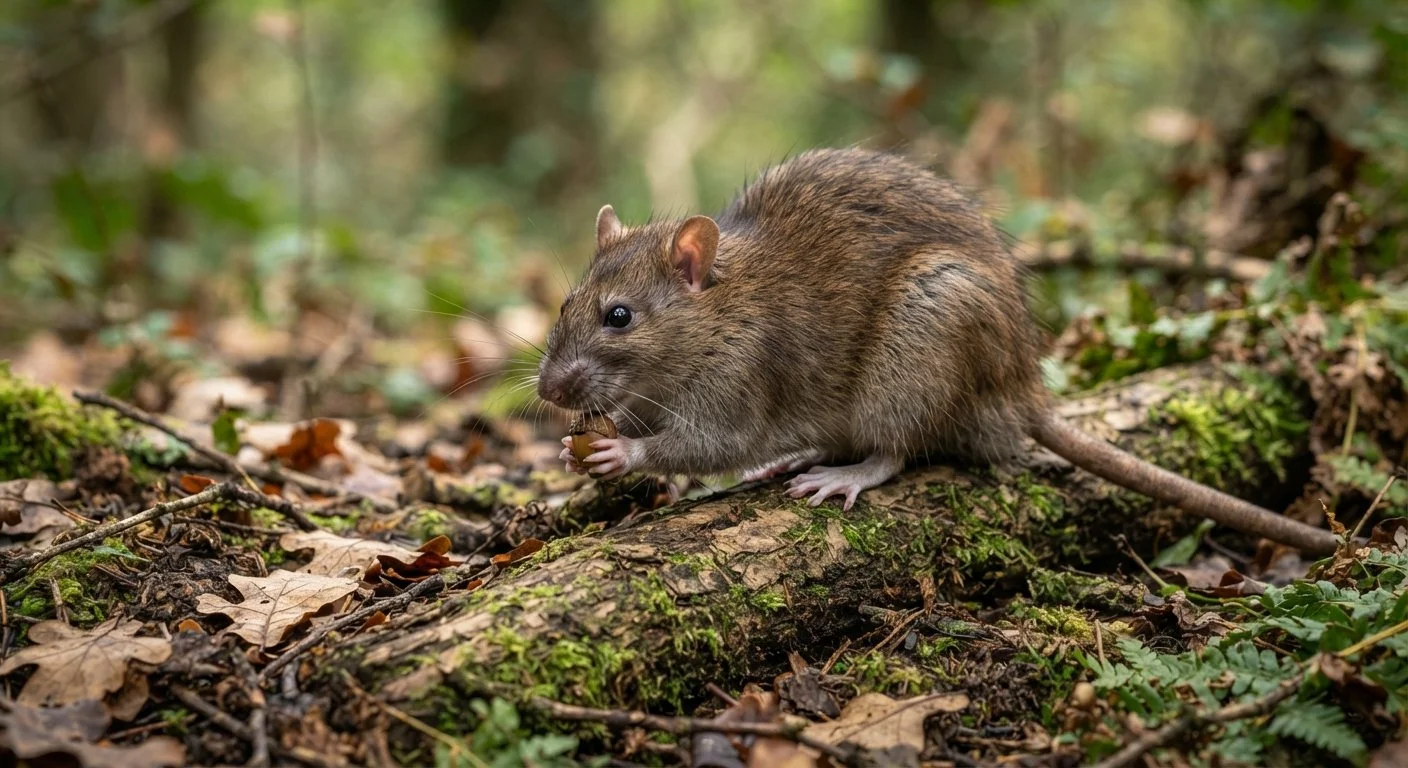
Brown Rat (Rattus norvegicus)
Also known as the Norway rat, sewer rat, or wharf rat.
Urban Pioneers: They are the most common rat found in cities, especially in New York. They are subterranean experts, living in burrows, basements, sewers, and subway systems.
Built for the Ground: Their robust build and blunt nose make them excellent diggers and ground-dwellers.
Diet: They are opportunistic omnivores. In an urban setting, they scavenge for anything available, including discarded food like pizza and coffee cups from street-level trash.
Tail: They have a scaly, thick tail that is shorter than the length of their body.
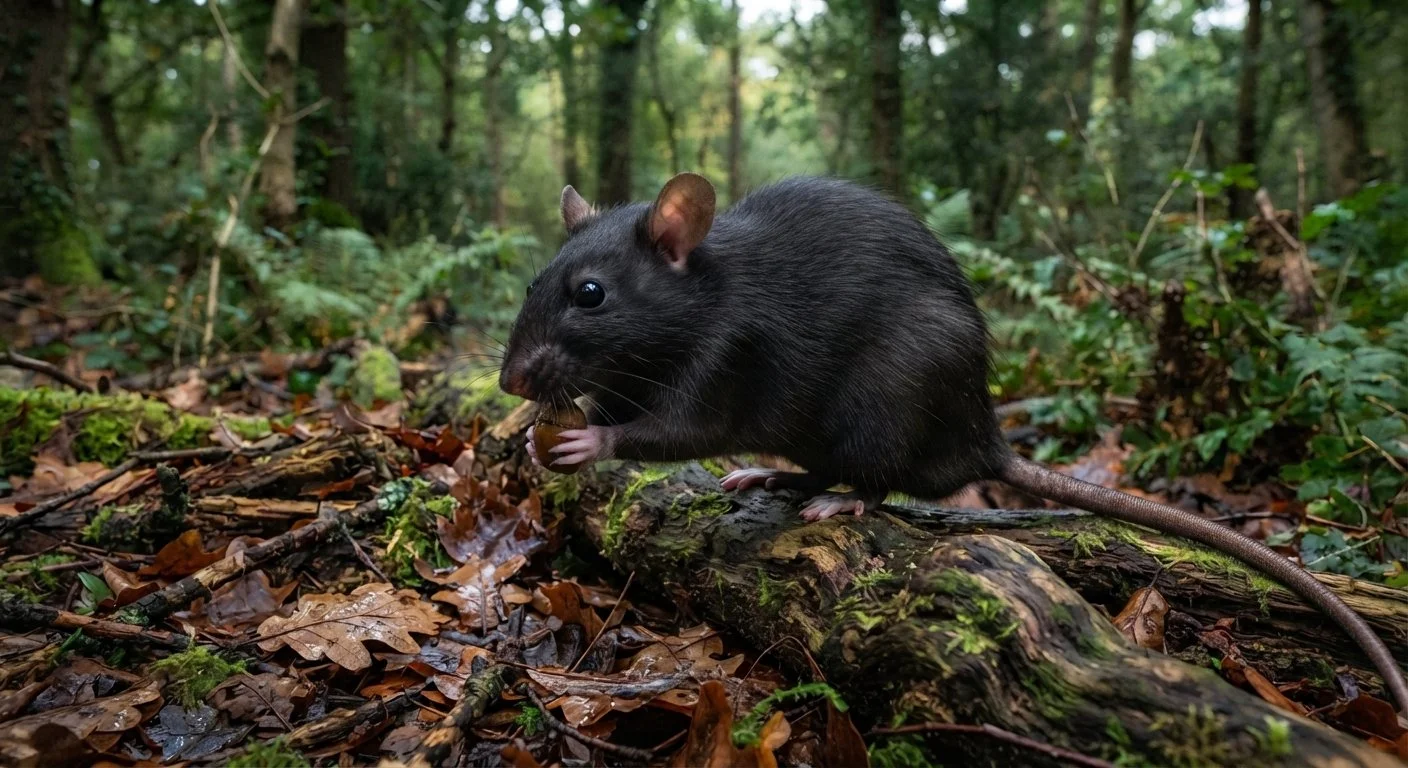
Black Rat (Rattus rattus)
Also known as the roof rat, ship rat, or house rat.
High-Climbers: As their name suggests, they are highly arboreal, meaning they are adapted for climbing. In cities, you are more likely to find them on upper floors of buildings, attics, and high in trees or thick vines in parks.
Sleek Design: Their bodies are smaller and more slender than the Brown Rat, with a pointed nose and large, expressive ears.
Agile Acrobats: Their agility allows them to run along wires and thin branches. In the image, you can see them balancing perfectly on a small, weathered log within dense vegetation.
Tail: They have a very slender, long tail that is typically longer than their combined head and body length, which they use for balance.
Key Fact Comparison
Nose: Brown Rat = Blunt; Black Rat = Pointed.
Body: Brown Rat = Heavy/Robust; Black Rat = Slender/Sleek.
Ears: Brown Rat = Smaller; Black Rat = Larger.
Habitat: Brown Rat = Down low (ground/burrows); Black Rat = Up high (trees/attics).